
Menu
UCDML • Sustainability

Sustainability & Environmental Responsibility

Unifill Composite Dyeing Mills Ltd. is committed to producing high-quality woven and knit fabrics that meet customer, buyer, and regulatory requirements. We ensure compliance through Right-First-Time production, on-time delivery, and continual improvement—reducing defects, empowering employees through training, and promoting sustainability by using resources responsibly. This policy is communicated to all employees, reviewed annually, and forms the basis for measurable quality objectives.

🌱 ISO 14001:2015 Aligned EMS
🌍 DoE & ECR 2023 Compliance
⚡ Energy & GHG Reduction
💧 Water Conservation & Reuse
🏭 150 m3/hr. Effluent Treatment Plant
♻️ Waste Reduction & Recycling
🧪 ZDHC & Safe Chemical Management
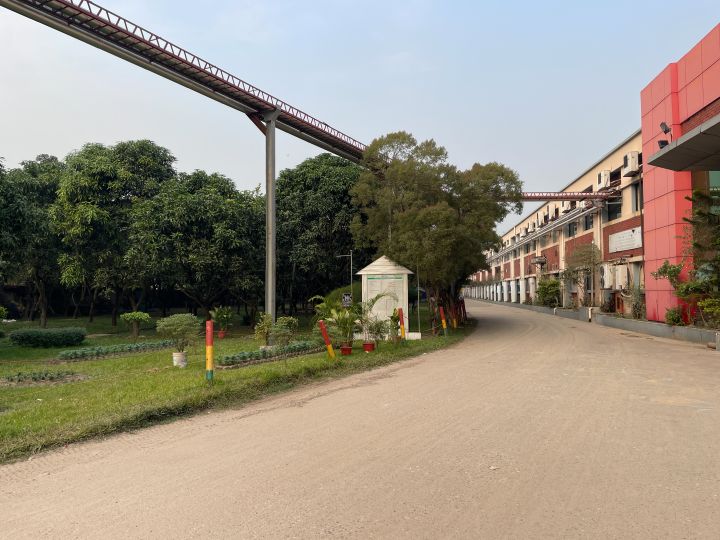
Green Landscape
Green Landscape
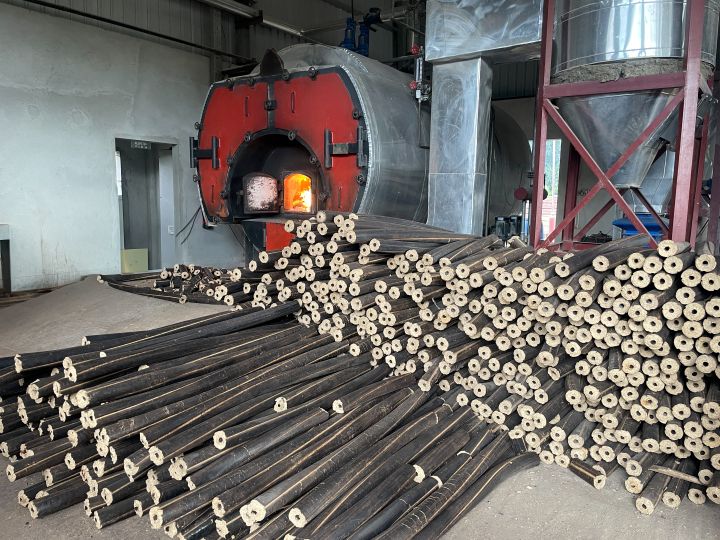
Sustainable Biomass Boiler
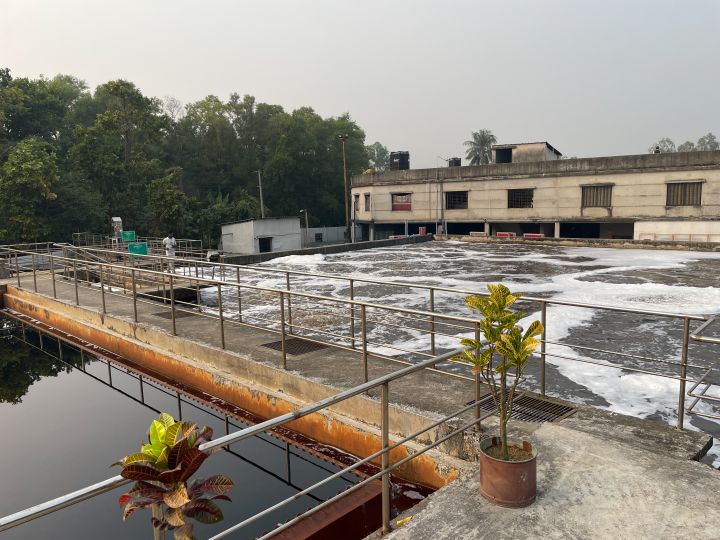
Effluent Treatment Plant

Environmental Commitment

We integrate compliance, efficiency and sustainability into every stage of our operations.

Legal Compliance

Strict adherence to DoE, ECR 2023 and environmental laws.

Pollution Prevention

Preventing air, water and land pollution at source.

Waste Reduction

Minimizing waste generation and promoting recycling.

Energy Efficiency

Reducing energy use and greenhouse gas emissions.

Water Conservation

Optimizing water usage and reuse.

Chemical Management

Safe handling aligned with SDS and ZDHC.


Sustainability Framework

Sustainability & Environmental Management

Our integrated Sustainability and Environmental Management System ensures responsible production, legal compliance, reduced environmental impact, and alignment with global buyer and certification requirements.

Environmental Management System (EMS)

A structured EMS aligned with ISO 14001:2015 ensures pollution prevention, legal compliance, and continual improvement across all operations.

  • ISO 14001:2015 aligned EMS implementation
  • Environmental aspects & impacts control
  • Annual objectives, targets & performance review

Legal & Regulatory Compliance

Compliance with DoE requirements, ECR 2023, and applicable national environmental laws through defined controls and periodic reviews.

  • Local law & compliance maintain
  • International and buyer requirment fullfillment
  • Monitoring, reporting & corrective actions

Higg FEM & Environmental Performance

Performance tracking and transparency through Higg Facility Environmental Module (FEM) and buyer sustainability platforms.

  • Annual Higg FEM assessment & verification readiness
  • Data-driven improvement action plans & FDM reporting
  • Buyer reporting & platform transparency

Chemical Management & ZDHC

Responsible chemical management aligned with ZDHC MRSL, SDS requirements, and buyer standards to protect workers and the environment.

  • Approved chemical inventory & SDS control
  • ZDHC Gateway reporting & Incheck conformance tracking
  • Safe storage, handling & disposal practices

Resource Efficiency & Climate Action

Focused initiatives to reduce energy, water, and carbon footprint through monitoring, optimization, and continual improvement programs.

  • Energy consumption tracking & monitoring
  • GHG reduction aligned with SBTi (1.5°C pathway)
  • Efficiency projects & performance tracking

Waste Management

Controlled waste management to protect land and communities through segregation, compliant disposal, and monitoring.

  • Hazardous & non-hazardous waste segregation
  • Sludge, medical & chemical waste compliance handling
  • Authorized disposal & documentation control

Waste Water Treatment (ETP)

Effective ETP operation ensures compliant discharge through monitoring, control, and continual improvement practices.

  • ETP operation & key parameter monitoring
  • Sampling, testing & compliance documentation
  • Preventive maintenance & corrective actions

Water Management

Water stewardship through conservation, reuse, optimization, and responsible sourcing aligned with buyer and legal expectations.

  • Water balance, monitoring & KPI tracking
  • Reuse & optimization initiatives
  • Source compliance & responsible withdrawal

Air Management

Air emission control through monitoring, stack compliance, and preventive measures to reduce pollutants and protect health.

  • Stack emission monitoring & compliance tracking
  • Dust, odor & fugitive emission control
  • Improvement actions & housekeeping controls

Maintenance Management

Planned maintenance ensures reliable operations, safe utilities, and controlled environmental performance through preventive checks and timely corrective actions.

  • Preventive maintenance plan for ETP, utilities & key equipment
  • Breakdown response, corrective actions & record control
  • Calibration & inspection tracking for critical monitoring devices

Emergency Preparedness

Risk-based controls and emergency readiness to prevent incidents and minimize environmental impact during spills, leaks, fire, or abnormal operating conditions.

  • Emergency response plan (spill, fire, chemical exposure)
  • Spill kits, containment, mock drills & competency checks
  • Incident reporting, root cause analysis & CAPA follow-up

Training, Awareness & Engagement

Building a sustainability-driven culture through training, communication, and employee participation.

  • Environmental & chemical safety training
  • Awareness on pollution prevention & resource efficiency
  • Supplier & stakeholder engagement for sustainable sourcing
Engr. Md Abul Hasnat
🌿 Sustainability Responsible

Engr. Md Abul Hasnat

Sr. Manager (M&U, Sustainability)

Leads sustainability implementation and drives ISO 14001 compliance, Higg FEM, ZDHC alignment, SBTi targets and continual environmental improvement initiatives.

🎓 B.Sc. Engg. (Mech), RUET 🌿 M.Sc. Env. Sci (JU) 👥 PGD–HRM (UIU) 🛡️ PGD–OSH 📊 PGD–PM ⚡ CEM – SREDA 🔰 LA: ISO 14001 | 45001 | 9001 📢 Grievance Management
Environmental Objectives

Environmental Objectives & Goals

Our environmental objectives and goals are established to minimize environmental impact, improve resource efficiency, ensure legal compliance, and drive continual improvement in line with ISO 14001, buyer expectations and sustainability commitments.

Environmental Objectives (2025–2028)

Measurable goals aligned with ISO 14001 and buyer compliance expectations. Considering baseline year 2023.

01

Total Energy Efficiency

Reduce normalized total energy consumption by 30%
(0.945 → 0.661 kWh/kg by 2028)

Energy
02

Natural Gas & CNG Reduction

Reduce normalized NG & CNG consumption by 20%
(0.839 → 0.671 m³/kg by 2028)

Fuel
03

Electricity Consumption

Reduce normalized electricity consumption by 18%
(0.670 → 0.550 kWh/kg by 2028)

Power
04

Water Efficiency (Normalized)

Reduce normalized water consumption by 40%
(87.62 → 52.57 L/kg by 2028)

Water
07

Water Withdrawal (Absolute)

Reduce total water withdrawal by 25%
(820,239 → 615,179 m³ by 2028)

Water
05

GHG Emission Intensity

Reduce normalized GHG emissions by 30%
(2.022 → 1.416 kg CO₂e/kg by 2028)

Climate
06

GHG Emissions (Absolute)

Reduce absolute Scope 1 & 2 GHG emissions by 33.6%
(17,054 → 11,324 tCO₂e by 2028)

SBTi
08

Chemical Usage Reduction

Reduce normalized chemical consumption by 20%
(0.389 → 0.311 kg/kg by 2028)

Chemical
09

Waste Reduction

Reduce hazardous waste by 20% and non-hazardous waste by 25% (per kg fabric by 2028)

Waste